The conversion stage is where all your effort pays off—this is the moment when potential customers decide whether to buy your product. At this stage, they’ve done their research, and your job is to nudge them over the line by removing friction, building confidence, and giving them that final reason to say “yes.”
What Happens During the Conversion Stage?
At this point, your audience understands your product, has likely compared it to alternatives, and is seriously considering making a purchase. However, even at this stage, hesitation can creep in. Your communication needs to focus on resolving last-minute doubts and simplifying the decision-making process.
Key Goals
- Eliminate obstacles to purchase.
- Instill a sense of urgency or excitement.
- Make the purchasing process seamless.
Strategies to Communicate Effectively at the Conversion Stage
- Use Clear Calls-to-Action (CTAs)
- Make it obvious what the next step is and why they should take it now. A strong call to action names the benefit, not just the action.
- Example: An e-commerce site might use a CTA like, “Add to Cart—Free Shipping Today Only!” to create urgency while guiding them to the next step.
- Offer Incentives to Close the Deal
- Discounts, bonuses, or guarantees can help overcome hesitation and push your audience to act.
- Example: A software company might say, “Sign up now and get 50% off your first month!” or “Try risk-free with our 30-day money-back guarantee.”
- Simplify the Buying Process
- Ensure the purchasing journey is as smooth as possible, with minimal steps and clear instructions.
- Example: A checkout page that allows guest purchases (no account needed) and accepts multiple payment methods makes it easier for customers to complete the purchase.
- Address Last-Minute Concerns
- Reassure buyers by emphasizing trust, reliability, and support.
- Example: An online clothing store could highlight, “Free returns on all orders—shop with confidence.”
- Create a Sense of Urgency
- Use time-limited offers or low-stock alerts to encourage immediate action.
- Example: A travel booking site might display, “Only 2 seats left at this price!” to prompt a quick decision.
- Use Testimonials or Social Proof
- Reinforce confidence by showing that others are already happy with their decision to buy.
- Example: Display customer reviews prominently on your product page with statements like, “Over 1,000 satisfied customers!”
- Upsell or Bundle Strategically
- Offer complementary products or bundles to increase value.
- Example: A tech retailer might suggest, “Add a screen protector and case for just $10 more.”
Types of Content for the Conversion Stage
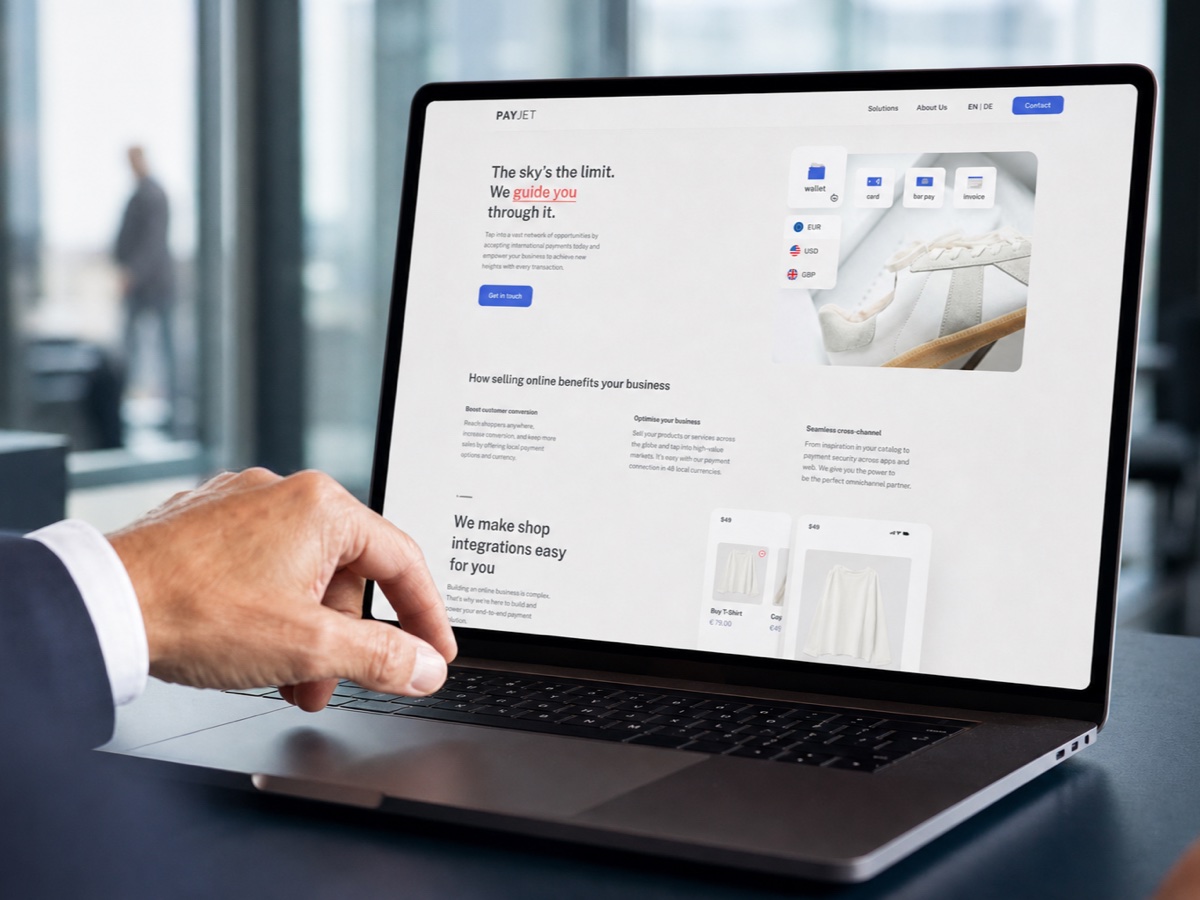
- Landing Pages: Focused, distraction-free pages with a strong CTA and clear value proposition, starting with a hero section that converts.
- Example: A fitness brand creates a landing page for a new product, saying, “Get fit today—order your resistance bands now!”
- Retargeting Ads: Ads that remind people of the product they were considering.
- Example: A home decor store might run an ad saying, “Still thinking about that rug? It’s almost sold out!”
- Email Campaigns: Personalized messages targeting users who are close to converting.
- Example: “Your cart is waiting—complete your purchase today and get 10% off!”
Measuring Success at the Conversion Stage
The ultimate goal here is to drive sales, so focus on metrics that track actual purchases or conversions:
- Conversion Rates: How many people are completing the purchase after reaching the checkout page? (New to the metric? Read what conversion rate is and why it matters.)
- Abandoned Cart Recovery: Are your strategies bringing hesitant customers back to buy?
- Revenue Growth: Are you seeing an increase in overall sales from your efforts?
Final Thoughts
The conversion stage is about making it as easy as possible for customers to take the leap. By addressing last-minute doubts, offering compelling incentives, and streamlining the buying process, you’ll create a smooth path to purchase. Small, steady improvements here are what conversion rate optimization is about. And remember: the journey doesn’t end at checkout. Next comes the retention stage.
The Customer Journey Communication Series
This article is part of a seven-part series on product communication:
- Overview: communicating at every stage of the customer journey
- Stage 1: Awareness
- Stage 2: Understanding
- Stage 3: Consideration
- Stage 4: Conversion (you are here)
- Stage 5: Retention
- Stage 6: Advocacy
Not sure what your website or product should say at each stage? At Artifact, we help product and marketing teams map the customer journey and turn it into clear messaging, design, and conversion-ready pages. Tell us about your project.